Tips & tricks
Below, you can read the Complete Pan Use and Cleaning Manual, organized by materials, including instructions for use, cleaning, and maintenance.

❤️ 1
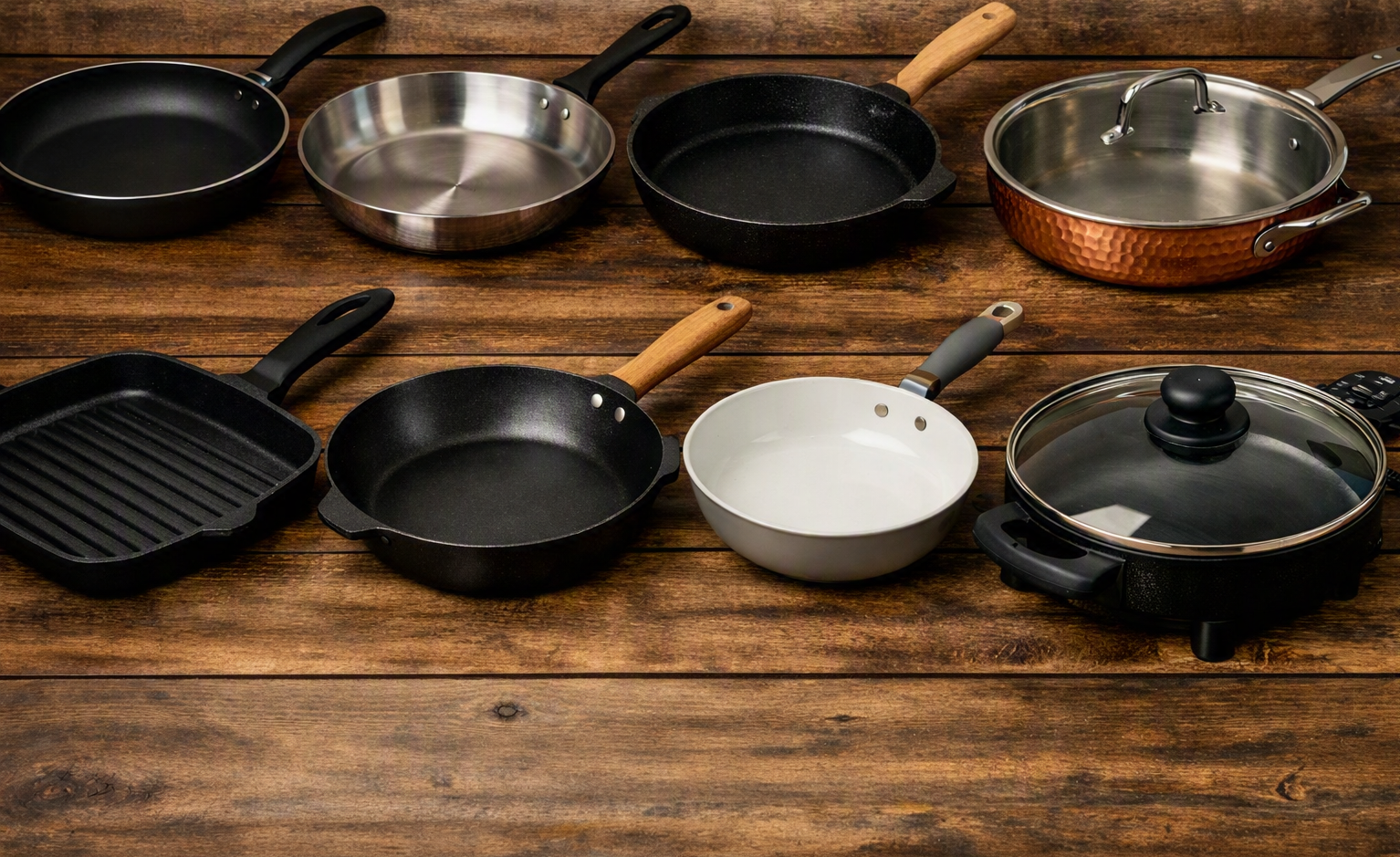
1. General Introduction
To ensure the durability of any pan, follow these golden rules before you begin:
- Thermal shock: Never immerse a hot pan in cold water; wait for it to cool down to avoid warping.
- Utensils: Use wooden, silicone, or sturdy plastic spatulas depending on the type of pan. Avoid metal on non-stick surfaces.
- Initial cleaning: Wash all new pans with warm, soapy water before first use to remove factory residue.
2. Non-stick pans (Teflon/PTFE and Ceramic)
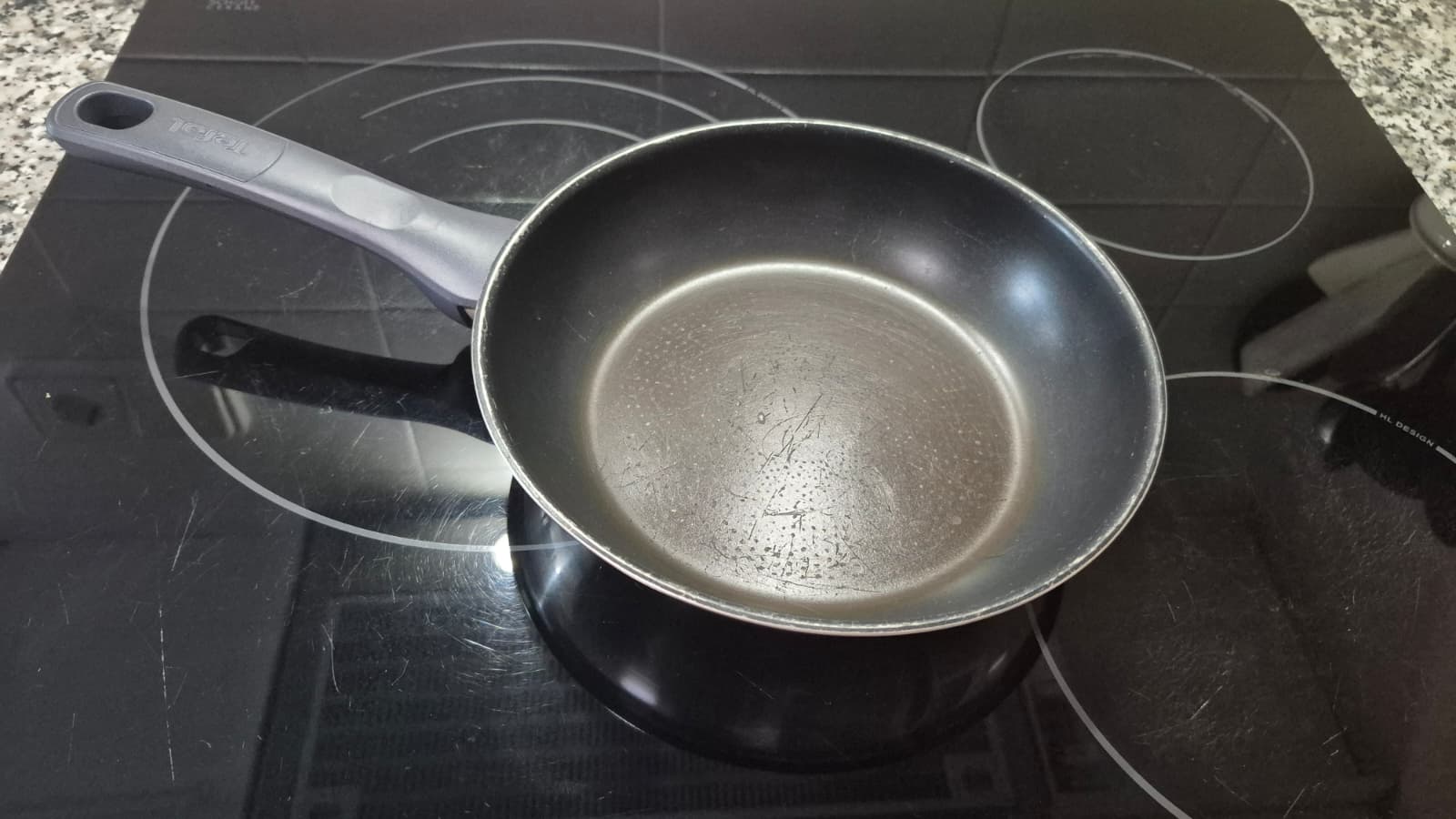
Proper Use
- Temperature: Use low or medium heat. Excessive heat degrades the non-stick coating and can release harmful gases (in the case of older PTFE).
- Fat: Although they are non-stick, use a little oil or butter to enhance the flavor and protect the coating.
- Cooling: Let the pan cool down before washing it.
Step-by-Step Cleaning
- Always hand wash with a soft sponge (yellow side) and neutral soap.
- Prohibited: Steel wool, steel wool or the abrasive green side of the sponge.
- Prohibited: Dishwasher (aggressive detergent and high heat damage the non-stick coating).
- If food is stuck on: Boil water with a splash of dish soap inside the pan for 5-10 minutes. Let it cool and remove the residue with a silicone spatula.
Maintenance
- Spray a drop of oil and spread with kitchen paper after each wash to maintain surface hydration (especially on ceramic).
3. Stainless Steel Pans
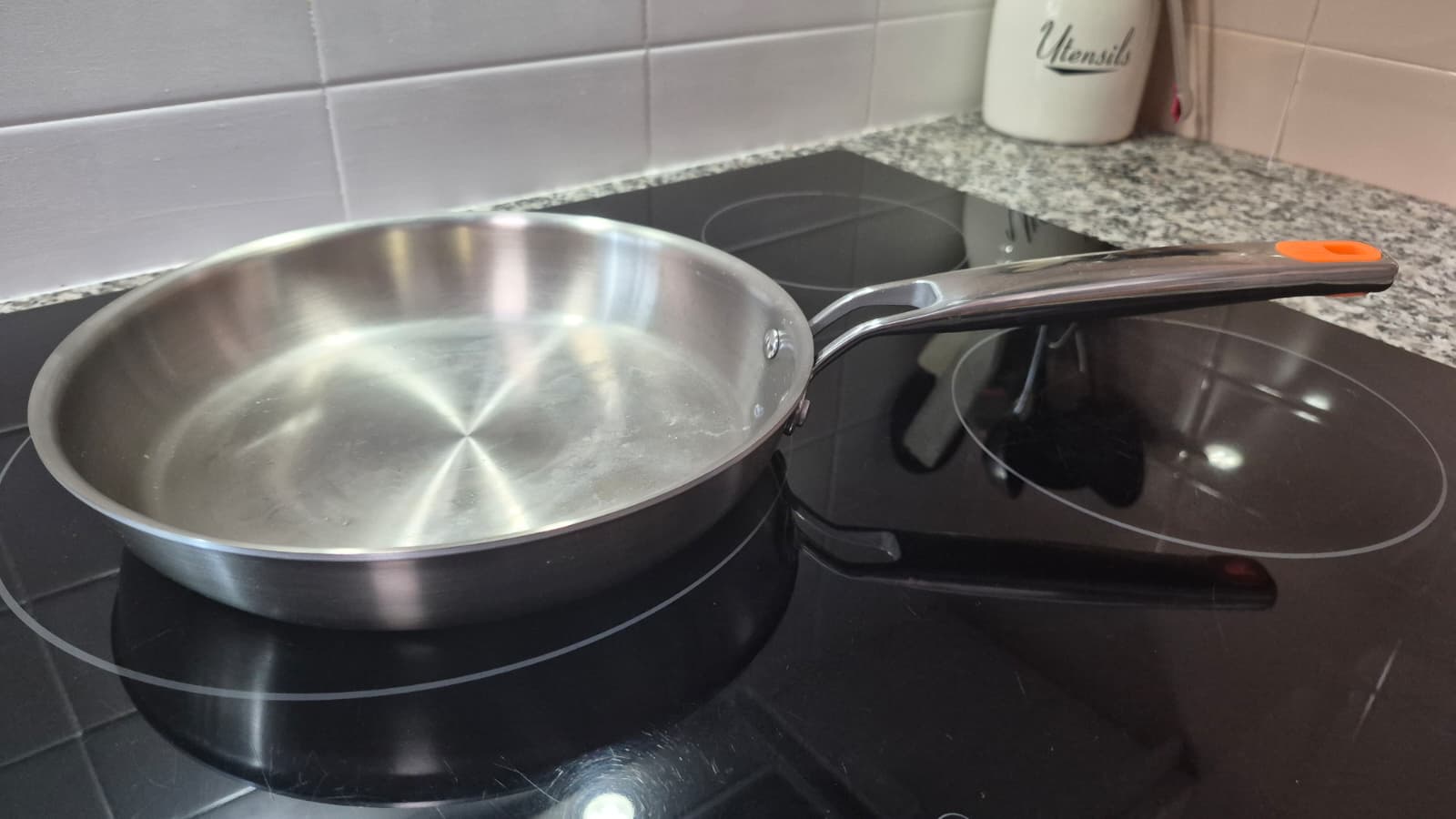
Proper Use
- Preheating: Heat the pan before adding the oil. To test the temperature, drop a drop of water into it; if it "dances" on the surface (Leidenfrost effect), it's ready.
- Versatility: Ideal for browning meats, making sauces (deglazing) and using at high temperatures.
- Utensils: You can use metal utensils without any problem.
Step-by-Step Cleaning
- Wash with hot, soapy water. They are dishwasher safe, but hand washing keeps the shine longer.
- Water stains or rainbows: Rub with a cloth dampened with white vinegar.
- Burnt food:
- Fill the pan with water and add a splash of vinegar.
- Boil for 5 minutes.
- Remove from heat, add 2 tablespoons of baking soda (it will foam).
- Let it rest for 15 minutes, empty the product and wash the pan normally.
4. Cast Iron Pans
Proper Use
- Curing: They come pre-cured, but improve with use. Avoid cooking highly acidic foods (tomatoes, lemons) for extended periods initially, as this can remove the metallic flavor or compromise the initial curing process.
- Temperature: They retain heat very well. Use medium heat; maximum heat is not necessary.
- Utensils: You can use metal, but be careful not to scratch the seasoning layer.
Step-by-Step Cleaning (Without Harsh Detergent Soap)
- Clean while warm (not boiling) with hot water and a stiff bristle brush or non-metallic sponge.
- Salt method: If there are stuck-on residues, sprinkle coarse salt and scrub with a cloth or paper towel in a circular motion. The salt acts as a natural abrasive.
- Crucial drying: Dry immediately over a flame (1 minute) to remove all moisture. Iron rusts easily.
- Greasing: Apply a very thin layer of vegetable oil with kitchen paper while it is hot.
Note: Do not use the dishwasher on these types of pans or leave them soaking in water.
5. Carbon Steel Pans
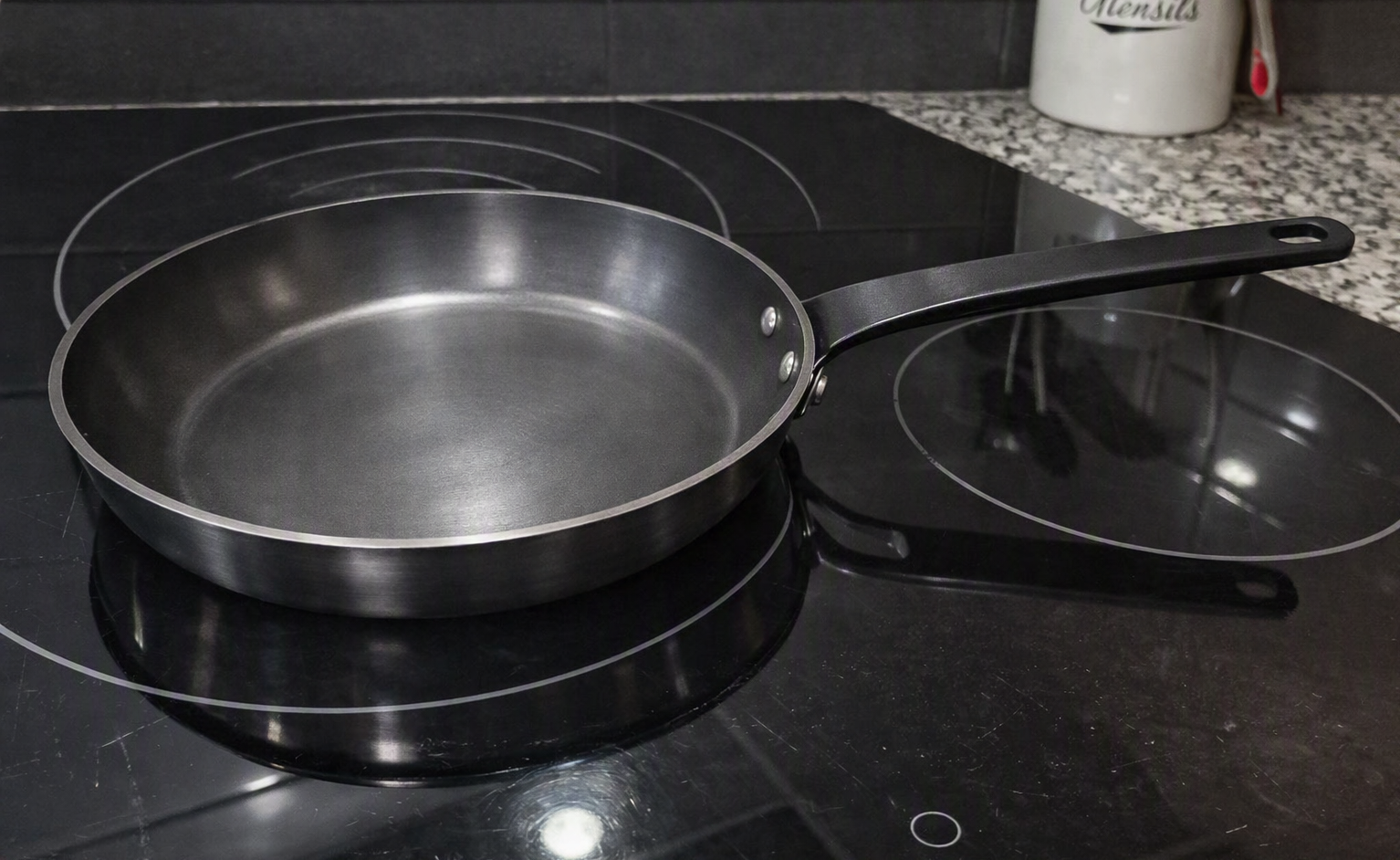
Use and Cleaning
They are similar to cast iron but lighter and with higher walls (typical of restaurants).
- Curing: They require a stricter initial curing (oil polymer layer).
- Cleaning: Same as cast iron. Hot water, brush, heat drying, and a coat of oil.
- Oxidation: If orange rust appears, scrub with steel wool until removed, wash, dry and re-cure (apply oil and heat until smoking).
6. Copper Pans
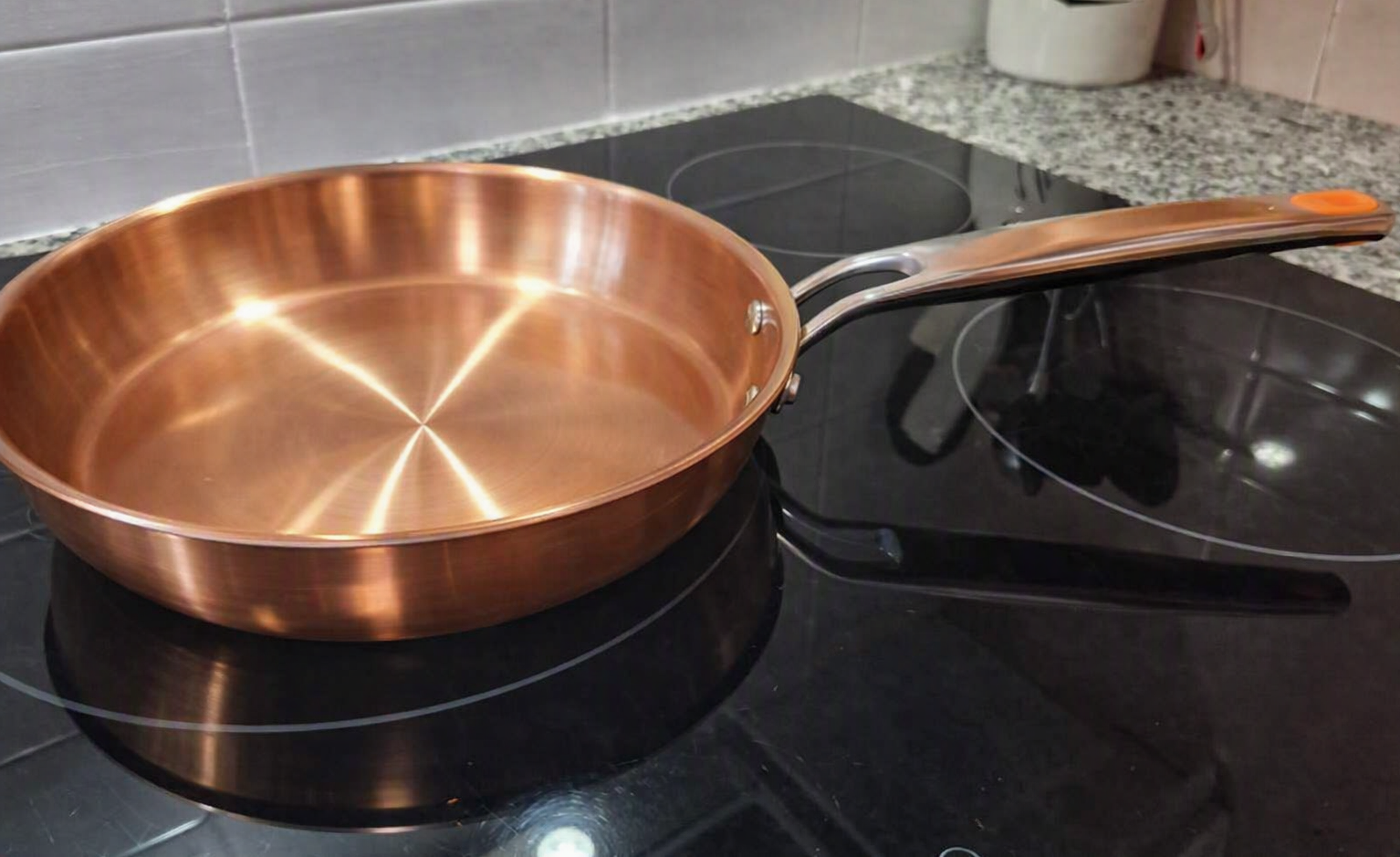
Proper Use
- Conductivity: They heat very quickly and evenly. Ideal for sugars, delicate sauces, and fish.
- Interior: They usually have a stainless steel or tin interior. If it's tin, don't use high heat or sharp metal utensils.
Step-by-Step Cleaning
- Hand wash with neutral soap and a soft sponge.
- Exterior (Copper): To restore shine, use a copper-specific cleaner or a homemade mixture of lemon and salt. Rub, rinse, and dry immediately to avoid water spots.
- Do not use a dishwasher, as detergents will darken the copper.
7. Aluminum Pans (Uncoated)
Use and Cleaning
- Use: Economical and good conductors, but they react with acidic foods (they can give a metallic taste and darken the food).
- Cleaning: Hand wash. If they darken, boil water with lemon slices or vinegar for 10 minutes to restore the color.
- Warning: Do not use a dishwasher, as they will turn black and rough.
8. Universal Tricks and Problem Solving
- Old, stuck-on grease: Baking soda and water paste. Leave on for 1 hour.
- Fishy smell: Boil water with vinegar or lemon peels in the pan.
- Rusty iron pan: Sand with steel wool, wash, dry over fire and cure with oil.
- Labels stuck on: Rub with cooking oil or alcohol to remove the adhesive.
- Sticky egg: Soak in warm soapy water with a drop of fabric softener (helps to loosen).
Preservation and Storage
- Stacking: If you must stack them, place a protector (kitchen paper, cloth or felt) between each pan to prevent scratches.
- Handles: If the handles are detachable or made of bakelite, make sure they are not exposed to direct flames that could melt them.
- Humidity: Store cast iron and carbon steel pans in a dry place. You can leave a paper towel inside to absorb ambient humidity.

Comments (0)
No comments yet. Be the first!